By: Jeff Elsberry
June 8, 2026
When a tree becomes unstable, falls across a yard, or threatens a roofline, the situation can change quickly. A damaged tree is not only an outdoor inconvenience; it can create hazards for people, vehicles, homes, fences, utility lines, and neighboring properties. That is why knowing when to call for emergency tree service can make a major difference in how safely and efficiently the problem is handled.
Property owners often think about tree care during routine trimming or seasonal maintenance, but urgent issues rarely happen on a predictable schedule. Strong winds, heavy rain, snow, disease, and hidden decay can all weaken branches or entire trees. When these problems appear suddenly, fast action helps limit damage and restore safer conditions around the property.
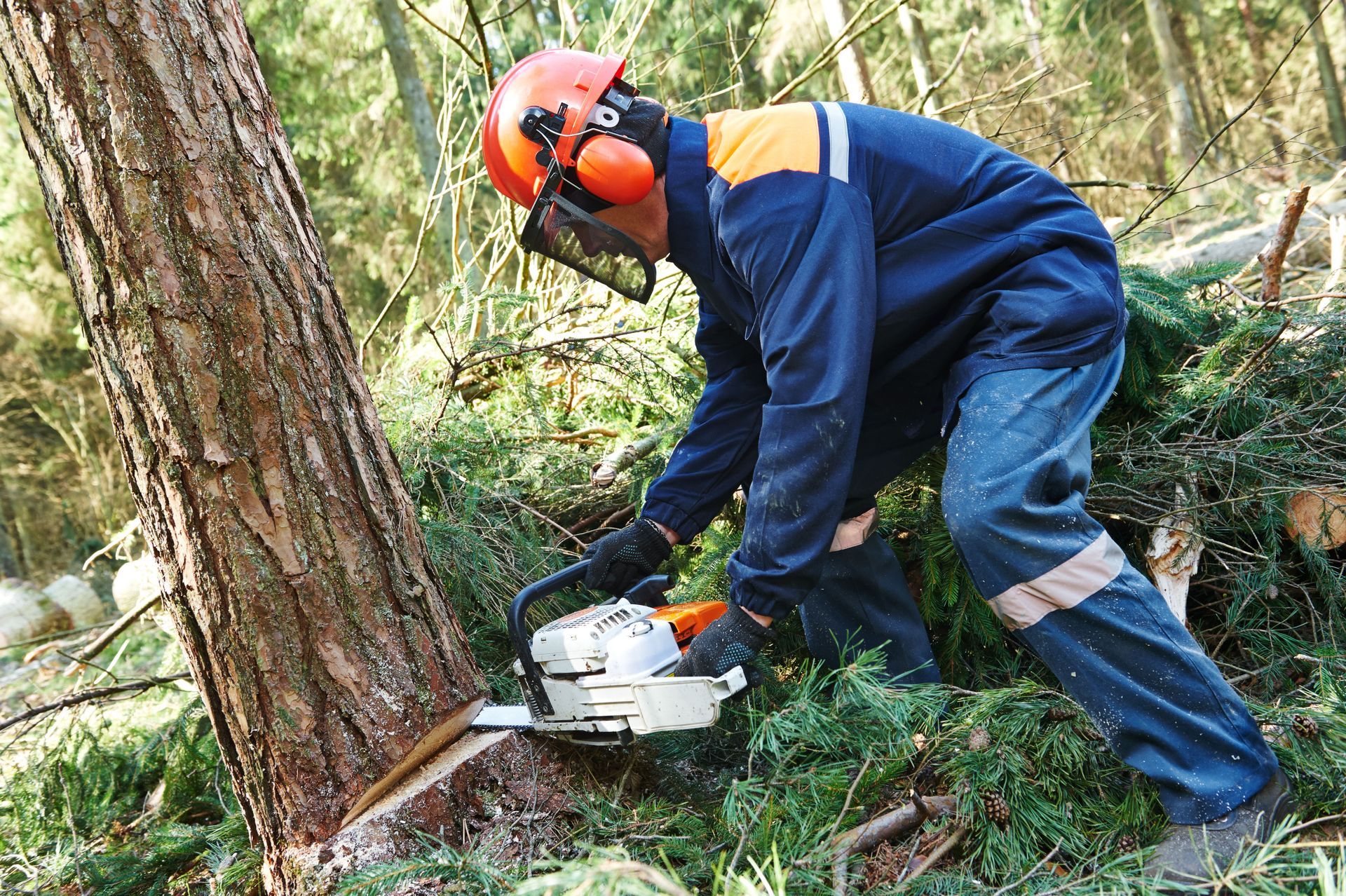
Emergency tree service is especially important because tree hazards can be difficult to judge from the ground. A branch may look secure while cracked internally, or a leaning tree may have roots that are already compromised. Emergency tree service crews have the equipment needed to assess risks, remove damaged wood, and help prevent the situation from becoming more dangerous.
Protecting Your Home From Tree Damage
One of the most important reasons to schedule emergency tree service is to protect the structure of your home. Trees near roofs, siding, garages, sheds, and windows can cause serious damage when branches split or trunks begin to lean. Even a medium-sized limb can break shingles, damage gutters, crack glass, or scrape siding during a storm.
In some cases, the risk is obvious. A large branch may be resting on the roof, or a fallen tree may block a driveway. In other situations, the danger may be less visible. Branches that hang over the home after high winds can continue to shift, especially if another round of weather moves in.
Calling for emergency tree service allows property owners to address these risks before more damage occurs. Rather than attempting to cut heavy limbs without the right equipment, homeowners can rely on trained crews to remove the hazard in a controlled way. This helps protect the home while reducing the chance of injury or additional property damage.
Reducing Safety Risks Around the Property
Tree emergencies often create safety concerns beyond the home itself. Broken limbs, hanging branches, split trunks, and uprooted trees can make yards, driveways, sidewalks, and outdoor living areas dangerous to use. Children, pets, visitors, and neighbors may not always recognize the risk, especially if the damage is partially hidden by leaves or debris.
Emergency tree service helps reduce these hazards by removing unstable trees and branches before someone gets hurt. This is especially important when damage happens near walkways, parking areas, patios, fences, or entrances. A branch that looks stuck in place may fall later without warning, especially when wind, vibration, or weight shifts affect it.
Dead or weakened trees can also remain hazardous for longer than many property owners realize. According to ChainsAwnerds.com, dead trees can stay standing for two to five years, but removing them promptly is recommended to reduce safety risks and improve overall appearance. That makes timely attention important, even when a tree has not fallen yet.
Responding Quickly After Severe Weather
Storms are one of the most common reasons property owners need emergency tree service. Heavy rain can loosen soil, strong winds can snap limbs, and snow or ice can add weight that trees are not able to support. After severe weather, a property may look different in only a few minutes, especially if mature trees are close to buildings or utility areas.
A fast response matters because storm damage can continue to develop after the weather has passed. Cracked limbs may fall hours later, and trees with exposed roots may become less stable as the ground shifts. If a tree is touching a structure or blocking access, cleanup may be needed before repairs or normal routines can continue.
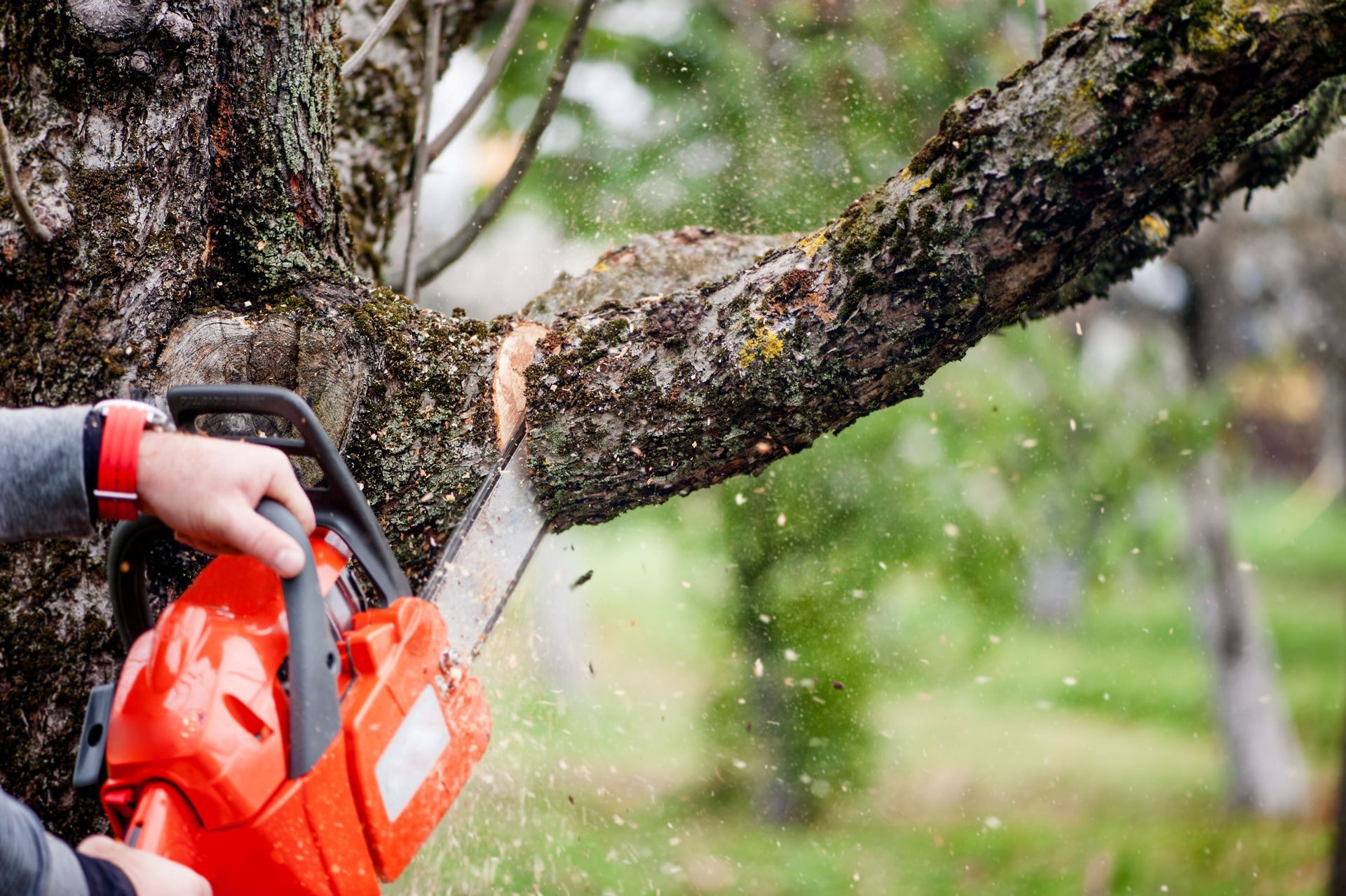
Emergency tree service can help homeowners avoid risky decisions during stressful moments. Instead of climbing ladders, using chainsaws near unstable limbs, or pulling branches by hand, property owners can step back while the hazard is handled properly.
Preventing Damage From Spreading
Tree problems often become more expensive when they are ignored. A cracked limb may tear more bark as it falls, leaving the tree vulnerable to further decline. A leaning trunk may put pressure on nearby roots, fencing, landscaping, or structures. Large fallen branches can also damage lawns, gardens, irrigation lines, and hardscaping if they are left in place too long.
Emergency tree service helps prevent damage from spreading by addressing urgent issues as soon as possible. Removing a broken branch, trimming unstable limbs, or taking down a hazardous tree can help protect the rest of the property. In some cases, quick action may also save a tree that would otherwise continue to weaken.
This response is not only about cleanup. It is also about preventing secondary problems. Standing water, compacted soil, damaged fencing, and exposed wood can all become concerns after a tree-related incident. An emergency tree service crew can explain what needs removal, what can be preserved, and what should be watched after the hazard is resolved.
Improving Curb Appeal After Tree Hazards
A tree emergency can change the look of a property quickly. Fallen limbs, split trunks, scattered branches, and leaning trees can make even a well-maintained yard look neglected. When damage is visible from the street, it may also affect how neighbors, visitors, and potential buyers view the property.
Emergency tree service helps restore curb appeal by clearing debris and removing unsafe or unsightly tree damage. This is especially helpful after storms, when several parts of the yard may need attention at once. A professional crew can cut, remove, and haul away damaged material efficiently.
Prompt removal also helps the remaining landscape look cleaner and more intentional. When damaged trees or branches are left in place, they can draw attention away from healthy grass, gardens, walkways, and exterior updates. Lingering debris can also make mowing, maintenance, and outdoor use more difficult.
Knowing When to Request Professional Help
Some tree issues are easy to identify, but others require a closer look. Property owners should consider emergency tree service when a tree has fallen, a large branch is hanging, a trunk is split, or a tree is leaning more than usual. Exposed roots, fresh cracks, sudden soil movement, and branches touching a roof or utility area can also indicate a serious concern.
It is also important to avoid handling high-risk tree work without the right training. Cutting a branch under pressure can cause it to snap unexpectedly, and removing part of a leaning tree can change its balance. Working near roofs, fences, vehicles, or power lines creates additional dangers. Even when the goal is to save money, attempting the work alone can lead to more costly problems.
Emergency tree service gives homeowners a safer path forward when the situation feels uncertain. An emergency tree service assessment can help determine whether trimming, removal, or cleanup is needed. By responding promptly, property owners can protect people, reduce damage, and keep the landscape in better condition after unexpected tree problems occur.
Trees add shade, character, privacy, and natural beauty to a property, but they also need attention when damage or instability appears. Acting quickly during an emergency can help limit structural damage, reduce safety risks, and restore access to the yard or driveway. Call D&J's Complete Tree Service - Ankeny today to schedule your tree trimming or removal service.